Bodycare
In this post, I want to take you through my personal journey with Jam soap, break down what’s in it, and share what it actually did for my skin. I’ll also share some things I learned along the way that most people don’t talk about online. There’s a lot of hype in skincare. This isn’t that.
How I Discovered Jam Soap And Why I Gave It a Chance
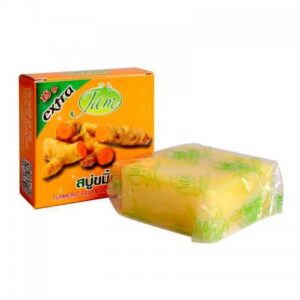
I just wasn’t on the hunt for another soap. Frankly, I remained faithful to the scentless bar I’d been using for ages. Yet one day a friend presented me with Jam soap in a care package. It had a scent of strawberries and mint. Well, I thought, why not?
I began testing it about twice each week, mostly just for curiosity’s sake. After barely two weeks, I caught a low-key yet undeniable difference: brush-stroked dry patches on my arms and legs were nowhere to be seen, and the skin felt distinctly softer. I wasn’t looking for a miracle, yet I couldn’t dismiss the noticeable change.
It was the label that really caught my attention. Not only were the ingredients natural, they were downright savvy. That’s when I began poking around more.
Jam Soap Ingredients and Benefits
So let’s review the principal ingredients you’ll commonly see in Jam soap and clarify how each one benefits your skin. Remember that every artisan tends to put their own spin on it, but the elements listed below are the ones I have come across again and again among numerous brands.
1. Fruit Extracts (Strawberry, Raspberry, Blueberry)
They’re not merely for their aroma. Fruit extracts brim with natural antioxidants, most notably vitamin C. These antioxidants combat the free radicals—unstable organic compounds that may damage your skin cells and speed up aging.
Benefits:
– More than a radiance booster, it also helps perk up dull skin.
– Assists in evening skin tone.
– Promotes collagen synthesis
2. Cold-Pressed Oils (Coconut, Olive, Jojoba)
The oils incorporated into Jam soap accomplish more than just moisture on the surface. These oils deliver nutrients down to the skin’s depths and aid in sealing moisture after a shower.
Benefits:
– Shields the skin barrier
– Hydrates and lessens dryness and flaking
– Leaves the skin delicately soft, but not greasy.
3. Shea Butter or Cocoa Butter
They are commonly included for their propensity to deliver extra smoothness and richness. High in fatty acids, shea butter also demonstrates documented anti-inflammatory benefits.
Benefits:
– Relieves skin irritation
– Boosts skin elasticity
– Promotes improvement in conditions such as eczema and psoriasis
4. Natural Exfoliants (Crushed Seeds or Oatmeal)
Several Jam soaps incorporate mild exfoliants such as strawberry seeds or ground oats. They’re nowhere near as abrasive as many scrubs—just gentle enough to shed dead skin cells.
Benefits:
– Renews skin
– Sweeps away clogged pores.
– It leaves your skin feeling smoother.
5. Essential Oils (Lavender, Peppermint, Tea Tree)
Essential oils serve more than a scent—their actual benefits for the skin are substantial. Tea tree, for example, possesses antimicrobial properties. Lavender possesses a soothing nature. Peppermint has the ability to decrease inflammation.
Benefits:
– Antibacterial
– Relieves redness
– Invigorates circulation
6. Glycerin
As a humectant, glycerin attracts moisture into the skin from the surrounding air. Glycerin is frequently the base ingredient in handmade soaps.
Benefits:
– Maintains hydration in the skin.
– It prevents the skin from losing moisture.
– If you have sensitive skin, you can calmly rest assured it’s gentle enough.
7. Natural Colorants (Beetroot, Spirulina, Clay)
These ingredients lend Jam soap its lively coloring. Yet they’re much more than ornamental—most of these natural pigments also confer tangible skin benefits.
Benefits:
– Beetroot offers an abundant supply of iron and vitamins.
– Spirulina: detoxifying
– Clay: pulls away excess oils and impurities.
The Long-Term Results I Noticed
Now, after six continuous months of using Jam soap, I have noticed the following results. What I’ve noticed is:
– Less Dryness: Even during the winter months, I find myself needing to moisturize far less often.
– Fewer breakouts, especially on my shoulders and back.
– Improved skin tone: not dramatic, yet clearly noticeable.
– Softer texture: I noticed this one more by how it felt than by how it appeared.
And perhaps just as vital, I genuinely enjoy using it. That enjoyment has encouraged me to stick to my skincare routine with greater consistency.
Jam Soap in My Routine: A Personal Take
I use it now approximately four days a week, most of the time in the evening. I continue by using a simple moisturizer, and that is all. I no longer use specialized body scrubs since the soap already gives some exfoliation.
I do not stop testing other products; however, Jam soap has already won a place in my skin care routine.
Conclusion
Jam soap isn’t a regular handmade bar. It is an intelligent, multitasking product that is tailored to modern life. It treats the skin fairly and brings a hint of fun to a daily routine. That’s rare.
This could be the one to try if you want something easy, efficient, and a bit pampering.
Frequently Asked Questions
1. Is Jam soap usable on the face?
You may, but you better test it out. Some variants are not too harsh, particularly those without exfoliants or highly concentrated essential oils.
2. Does Jam soap work on acne-prone skin?
Acne can be managed with some types, particularly those including tea tree or charcoal. However, once again, read the ingredients.
3. What is the duration of a bar of Jam soap?
Approximately 3-4 weeks with daily use. In case it is properly stored, it may last longer.
4. Does Jam soap stain towels or bathtubs?
Usually not, except when it has strong natural dyes such as beetroot or turmeric; rinse thoroughly after use.
5. Is Jam soap safe to be used by kids?
Yes. Simply find a dilute one that does not contain powerful essential oils.
6. Will Jam soap work with eczema?
Ointments with shea butter or oats are soothing to some people with eczema. However, test on a small area.